
- Your cart is empty
- Continue Shopping
Easy Recipes
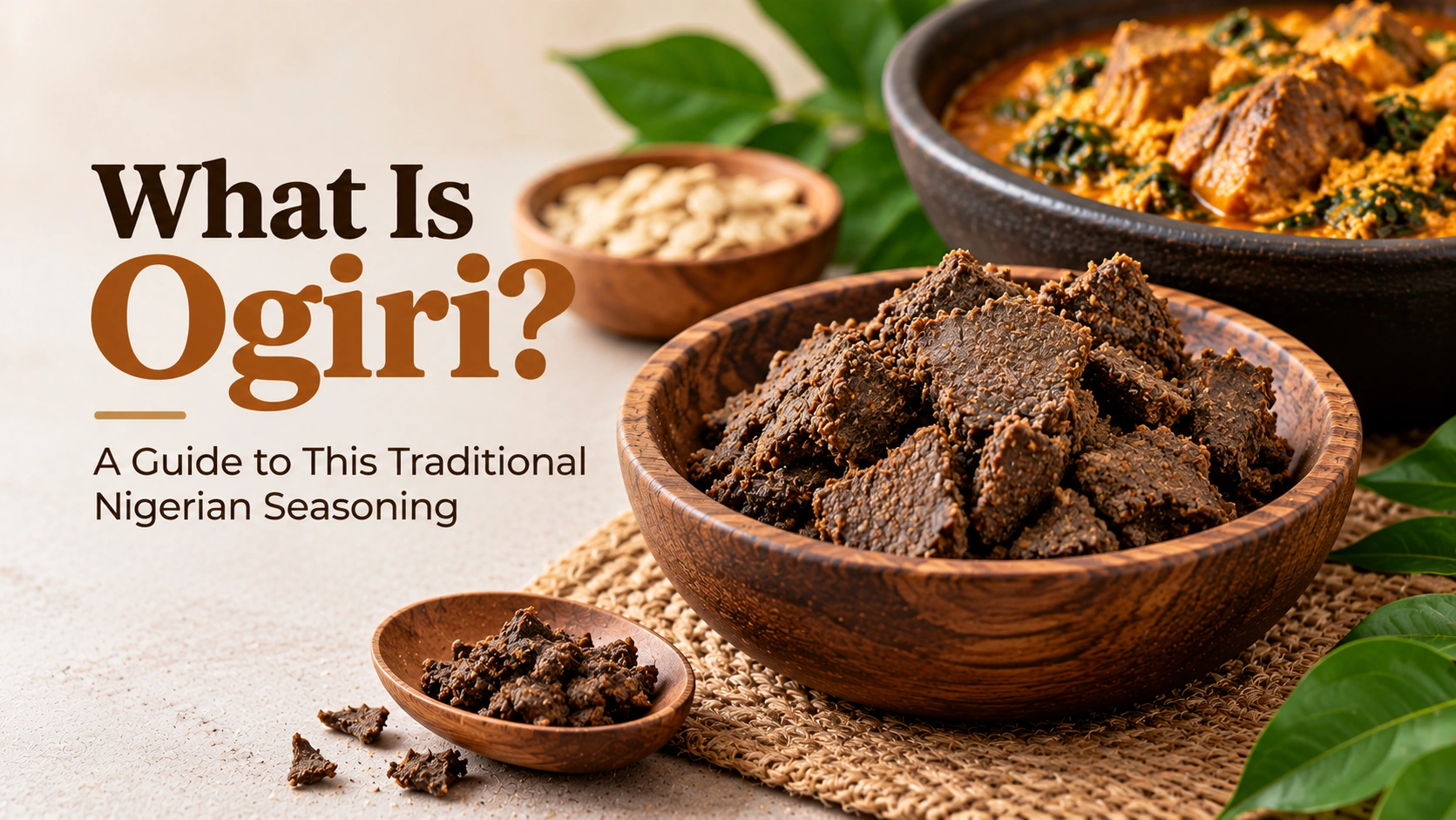
What Is Ogiri? A Guide to This Traditional Nigerian Seasoning
-
By Shalom African Foods
- Posted on
- 0 comments
Some of the most memorable flavours in Nigerian cooking come from ingredients that may be unfamiliar to people outside West Africa. Ogiri is one such ingredient. Known for its strong aroma and distinctive taste, this traditional fermented seasoning is used to add depth to a variety of Nigerian soups and dishes.
If you are exploring African cooking or want to learn more about traditional Nigerian ingredients, understanding ogiri is a great place to start.
What Is Ogiri Made From?
Ogiri is a traditional fermented seasoning used in several West African cuisines. Depending on the regional variety, it can be made from ingredients such as castor seeds or melon seeds. The fermentation process gives it its characteristic aroma and rich, savoury flavour.
Although its smell can be strong, ogiri is valued for the depth it brings to cooked dishes. It is usually used in small quantities because its flavour can be quite concentrated.
You can explore ogiri Ijebu if you want to try this traditional seasoning in your own kitchen.
How Is Ogiri Used in Nigerian Cooking?
Ogiri is commonly added to soups and stews to create a deeper, more complex flavour. It is particularly useful in traditional recipes where fermented seasonings are an important part of the dish.
The amount used depends on the recipe and personal preference. If you are trying ogiri for the first time, start with a small quantity and adjust it to suit your taste.
Ogiri can be used in different soup preparations, including some variations of egusi soup. If you enjoy rich, hearty Nigerian dishes, try this guide to making Nigerian egusi soup.
Which Nigerian Dishes Can You Prepare with Ogiri?
Ogiri is a versatile seasoning, and its use varies between households and regions. It can complement soups made with vegetables, seeds, and other traditional ingredients.
For example, some cooks use fermented seasonings to add extra depth to soups such as banga soup, which is prepared using palm fruit extract and a blend of spices.
If you would like to explore this dish, follow the guide on how to cook banga soup from scratch.
You can also experiment with traditional recipes using ingredients you already enjoy, adjusting the seasoning carefully to achieve a balanced flavour.
How Should You Store Ogiri?
Because ogiri is a fermented ingredient, proper storage is important for maintaining its quality. Follow the storage instructions on the product packaging and keep it sealed when not in use.
Depending on the product, refrigeration may be recommended. Avoid leaving it exposed to air for long periods, and always use clean utensils when handling it.
Since ogiri has a naturally strong aroma, keeping it in a tightly sealed container can also help prevent its smell from spreading to other foods.
Where Can You Find Ogiri for Traditional Nigerian Recipes?
If you want to explore authentic Nigerian flavours, ogiri is an interesting ingredient to add to your collection of traditional seasonings. A small amount can make a noticeable difference to the flavour of the right dish.
Visit Shalom African Foods to explore African food products and find ingredients for preparing your favourite West African meals at home.
