
- Your cart is empty
- Continue Shopping
Spices
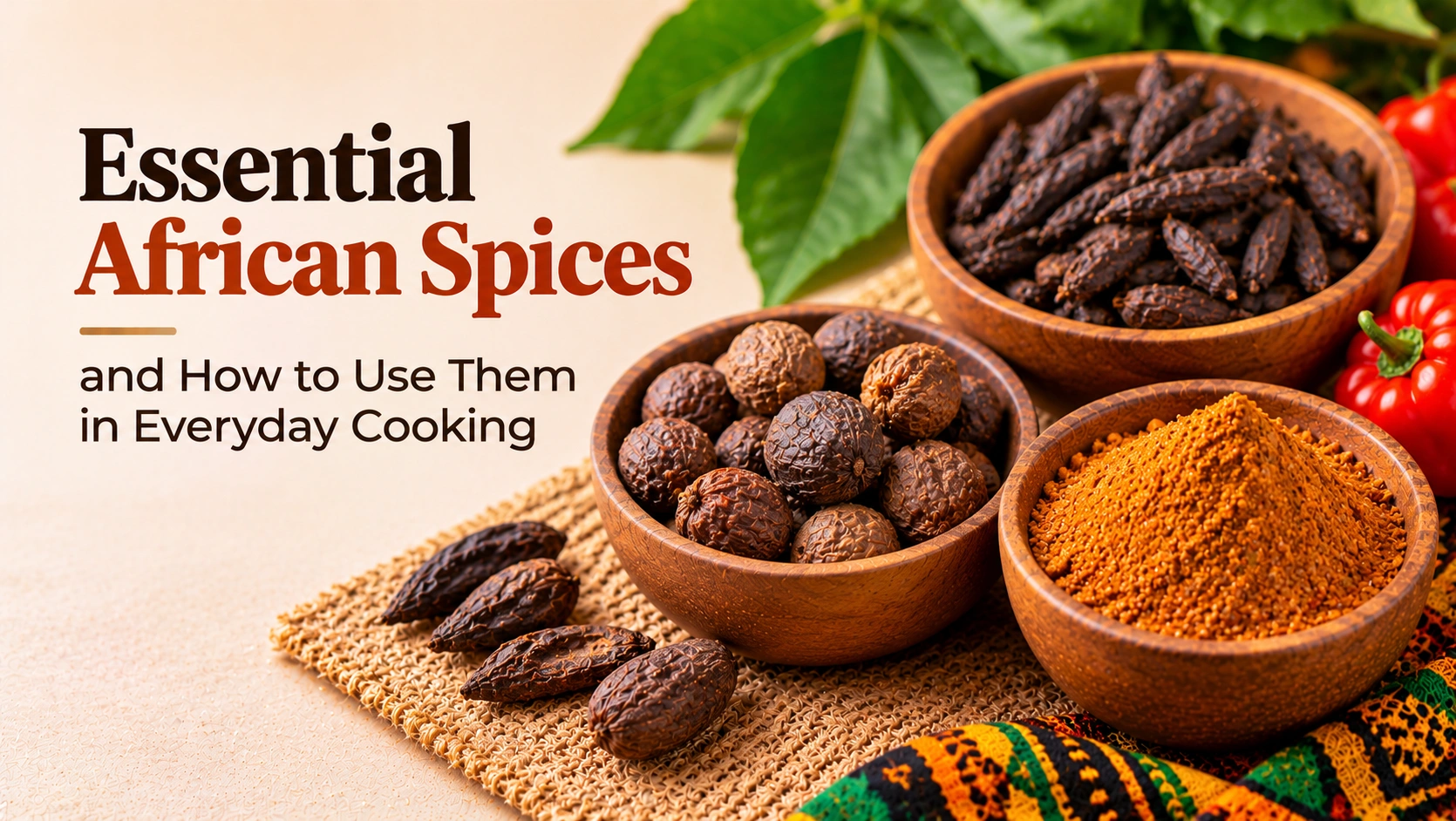
Essential African Spices and How to Use Them in Everyday Cooking?
-
By Shalom African Foods
- Posted on
- 0 comments
African cuisine is known for its rich flavours, aromatic seasonings, and diverse cooking traditions. From hearty stews to grilled dishes and flavourful soups, spices play an important role in creating the distinctive taste of African food.
Different regions across Africa use different combinations of spices, herbs, and seasonings. Some add warmth and depth to a dish, while others bring heat, fragrance, or a unique earthy flavour. Understanding these ingredients can help you explore African cooking and experiment with new recipes in your kitchen.
Why Are Spices Important in African Cooking?
Spices do more than add flavour to food. They help create the character of traditional dishes and bring together different ingredients.
Across West, East, North, and Central Africa, cooks use a variety of local spices depending on the dish and regional preferences. Some are added during cooking to develop deep flavours, while others are used in marinades, seasoning blends, and sauces.
Learning how to use these ingredients can make everyday cooking more interesting and introduce you to flavours you may not have experienced before.
Popular African Spices Worth Exploring
1. Alligator Pepper
Alligator pepper is a traditional West African spice known for its distinctive, peppery flavour and aromatic qualities. It is used in different traditional preparations and can be an interesting addition to your African spice collection.
You can explore alligator pepper if you want to experiment with traditional African ingredients.
2. Grains of Selim (Negro Pepper)
Grains of Selim, commonly known as Negro pepper, are used in several West African recipes. They have a distinctive smoky and aromatic flavour that works particularly well in traditional soups, broths, and seasoning blends.
Negro pepper is worth exploring if you enjoy experimenting with traditional African flavours.
3. Banga Spice
Banga spice is a seasoning blend associated with palm nut-based soups. It combines aromatic ingredients that give these dishes their characteristic flavour.
It is particularly useful when preparing traditional palm nut soup. You can try Big Banga Spice to bring familiar flavours to your homemade meals.
How to Use African Spices in Everyday Meals?
You do not need to prepare complicated traditional recipes to enjoy African spices. Many of these ingredients can be incorporated into everyday cooking.
Here are a few simple ideas:
- Soups and stews: Add suitable spices while cooking to develop deeper flavours.
- Marinades: Combine selected spices with oil, garlic, and other seasonings to prepare marinades for meat or vegetables.
- Rice dishes: Experiment with aromatic seasonings to create flavourful rice meals.
- Broths and sauces: Use traditional spices in small quantities to introduce distinctive aromas.
Remember that different spices have different levels of intensity. Start with small amounts and adjust according to your taste.
Discover African Ingredients for Your Kitchen
Exploring African spices is a great way to understand the diversity of the continent’s food culture. From aromatic peppers to traditional seasoning blends, each ingredient offers something different.
Whether you are preparing a familiar family recipe or trying something completely new, having the right ingredients makes the experience more enjoyable.
Visit Shalom African Foods to explore a selection of African food products and discover ingredients that can help you bring authentic African flavours into your kitchen.
